

If you’ve ever climbed into bed absolutely knackered, only to lie there staring at the ceiling—welcome to the club. You’re not broken. You’re just living in 2026.
Modern life has a funny way of keeping us permanently “on”. Not in an obvious, dramatic way—but in small, constant nudges that make proper rest feel strangely out of reach.
Let’s talk about the usual suspects, without the doom and gloom.
Screens: Always On, Always Nearby
Phones, laptops, tablets, TVs—our days are wrapped in screens from the moment we wake up. Evenings used to slow us down. Now they’re filled with emails, reels, group chats, and “just one more episode”.
The light from screens gently tells your brain it’s still daytime. Not aggressively—but enough to delay that natural wind-down. And it’s not just the light. It’s the content. Your mind doesn’t know the difference between scrolling and problem-solving. It stays alert either way.
Noise You Don’t Notice (Until You Do)
Traffic outside. A neighbour’s TV. A partner’s scrolling. A phone buzzing on the bedside table.
None of it feels loud—but your brain hears it all. Even subtle sound keeps your nervous system half-awake, like it’s waiting for something to happen. That’s why silence (or close to it) suddenly feels like a luxury these days.
Light That Doesn’t Belong at Night
Streetlights through the curtains. LEDs from chargers. Digital clocks glowing like tiny lighthouses.
Darkness used to signal rest. Now our bedrooms are softly lit 24/7. Even a little light can confuse your sleep rhythm, especially if you’re already tired but wired.
The Mental Load Nobody Talks About
This one’s the biggie.
Modern life doesn’t stop when work ends. Your brain is juggling deadlines, messages, family logistics, social obligations, and tomorrow’s to-do list—all at once. Even when your body rests, your mind keeps clocking in.
Sleep struggles today aren’t about weakness. They’re about overstimulation.
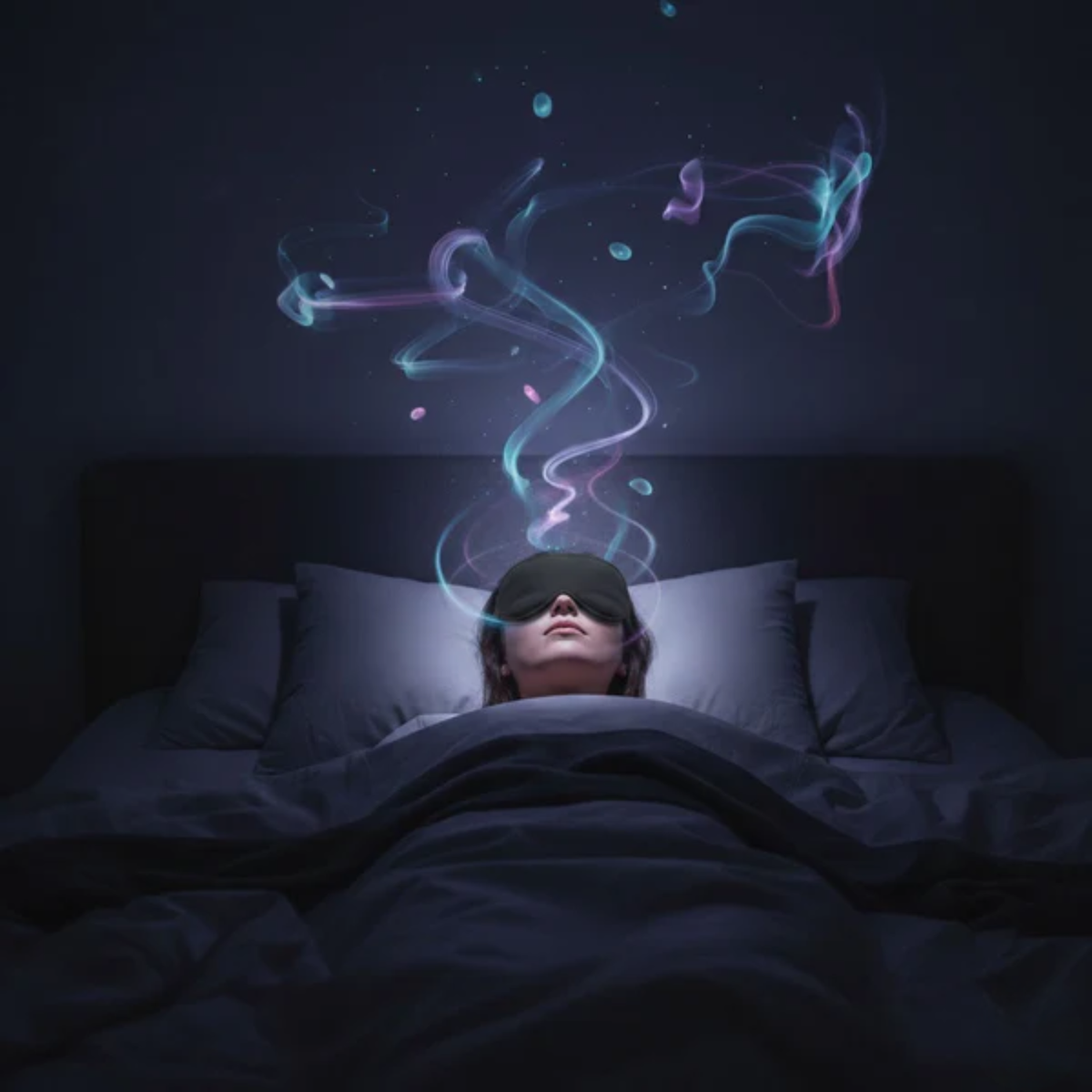
The good news? You don’t need a complete lifestyle overhaul. Sometimes, it’s about creating small pockets of darkness, quiet, and comfort—signals that tell your brain, “You’re safe to rest now.”
And honestly, that’s where good sleep really begins.

Leave a comment
This site is protected by hCaptcha and the hCaptcha Privacy Policy and Terms of Service apply.